
295/75R22.5 16 Ply Truck Tires: Complete Buyer’s Guide for Semi Trucks, Trailers & Fleets
Choosing the right commercial truck tire is one of the most important decisions for truck owners, fleet managers, and transportation companies. Tires directly affect safety, fuel efficiency, load capacity, maintenance costs, and overall vehicle performance.
Among the most popular commercial tire sizes for heavy-duty applications is the 295/75R22.5 16 Ply truck tire. This tire size is widely used on semi trucks, tractor-trailers, regional haul trucks, delivery fleets, and commercial trailers because it provides an excellent balance of durability, carrying capacity, and highway performance.
In this complete buyer’s guide, we will explain everything you need to know before buying 295/75R22.5 16 Ply truck tires, including size meaning, load ratings, applications, tread types, maintenance tips, and how to choose the best tire for your fleet.
What Does 295/75R22.5 Mean?
Before purchasing commercial tires, it is important to understand the tire size markings.
A 295/75R22.5 tire specification means:
295 – Tire Width
The tire has a nominal width of 295 millimeters from sidewall to sidewall.
75 – Aspect Ratio
The sidewall height is approximately 75% of the tire’s width.
R – Radial Construction
The “R” indicates radial tire construction. Radial truck tires are designed with steel belts and flexible sidewalls, providing better fuel economy, longer tread life, and improved stability compared with older bias-ply designs.
22.5 – Wheel Diameter
This tire fits a 22.5-inch commercial truck wheel.
16 Ply / Load Range H
A 16 ply rating indicates a heavy-duty tire construction designed for demanding commercial use. Modern tires do not actually contain 16 layers of cotton plies; the rating represents the tire’s strength and load-carrying capability. Load Range H is commonly associated with 16-ply-rated commercial truck tires.
Why Choose 295/75R22.5 16 Ply Truck Tires?
The 295/75R22.5 size is popular because it fits many Class 7 and Class 8 commercial vehicles while offering strong performance in demanding conditions.
1. Heavy Load Capability
Commercial trucks carry thousands of pounds of freight every day. A 16-ply-rated tire provides:
- Stronger casing construction
- Higher resistance to flexing under load
- Better durability for long-distance hauling
- Improved stability when carrying heavy cargo
Many 295/75R22.5 tires are available with load indexes such as 146/143, depending on the tire design and application.
2. Excellent Highway Performance
For fleets traveling highways and interstates, 295/75R22.5 tires provide:
- Stable handling at highway speeds
- Lower rolling resistance options
- Reduced irregular wear
- Comfortable ride quality
These characteristics make them ideal for:
- Long-haul trucks
- Freight carriers
- Logistics companies
- Distribution fleets
3. Designed for Fleet Reliability
Fleet operators need tires that reduce downtime. A quality 295/75R22.5 commercial tire can help lower operating costs by providing:
- Longer tread mileage
- Stronger sidewalls
- Better resistance to punctures
- Retreadable casings (depending on manufacturer)
For large fleets, tire durability is often more important than the lowest purchase price.
Common Applications for 295/75R22.5 16 Ply Tires
These tires are commonly installed on:
Semi Truck Tractor Units
Popular positions include:
- Steering axle
- Drive axle (depending on tread design)
Examples:
- Freightliner Cascadia
- Peterbilt 579
- Kenworth T680
- Volvo VNL
- International LT Series
Commercial Trailers
295/75R22.5 tires are also used on:
- Dry van trailers
- Reefer trailers
- Flatbed trailers
- Utility trailers
Trailer tires require excellent durability because they often experience:
- Heavy loads
- Long storage periods
- Highway heat buildup
- Uneven loading conditions

Regional and Delivery Fleets
Businesses operating:
- Box trucks
- Beverage trucks
- Construction supply trucks
- Regional freight vehicles
often choose this size because it handles frequent stops, starts, and heavier payloads.
Understanding Different 295/75R22.5 Tire Positions
Not every truck tire is designed for the same axle position.
Choosing the correct tread pattern is essential.
1. Steering Tires (Front Axle)
Steer tires are designed for:
- Precise handling
- Even wear
- Wet-weather traction
- Long mileage
Features often include:
- Ribbed tread patterns
- Strong shoulder design
- Low rolling resistance compounds
Best for:
- Highway trucks
- Long-distance transportation
- Regional hauling
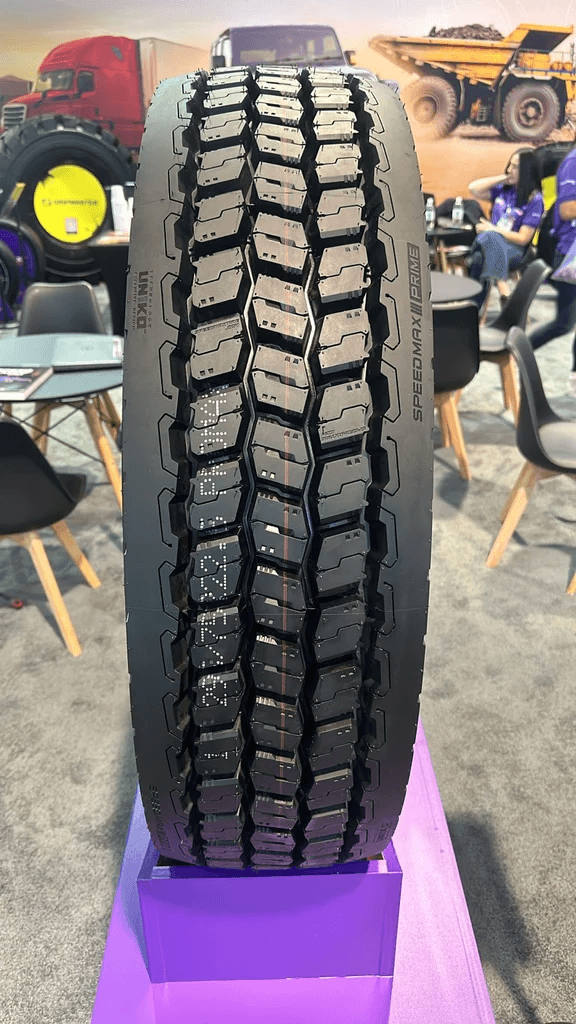
2. Drive Tires
Drive axle tires are built for:
- Traction
- Torque handling
- Heavy loads
Common features:
- Deeper tread blocks
- Aggressive traction patterns
- Strong casing designs
Best for:
- Mountain routes
- Construction applications
- Mixed-weather conditions
3. All-Position Tires
Some 295/75R22.5 tires are designed for multiple axle positions.
Benefits:
- Easier fleet inventory management
- Flexible installation options
- Good balance between traction and mileage
These are popular with smaller fleets that want fewer tire models to manage.
Highway vs Regional vs Mixed-Service Tires
Choosing the correct tread type depends on how your truck operates.
| Application | Recommended Tire Type |
|---|---|
| Long highway routes | Highway tread |
| Local deliveries | Regional tread |
| Construction and rough roads | Mixed-service tread |
| Heavy winter conditions | Severe-weather capable tread |
How Many Miles Can a 295/75R22.5 Truck Tire Last?
Tire life depends on:
- Driving conditions
- Tire quality
- Inflation maintenance
- Vehicle alignment
- Load weight
- Driving habits
A premium commercial tire may provide significantly longer mileage than a budget tire when properly maintained.
The biggest factors affecting tread life are:
Proper Inflation
Underinflation causes:
- Excess heat
- Faster shoulder wear
- Increased fuel consumption
- Higher risk of tire failure
Overinflation can cause:
- Reduced traction
- Center tread wear
- Rougher ride quality
Always follow manufacturer inflation recommendations.
Wheel Alignment
Poor alignment can create:
- Irregular tread wear
- Steering problems
- Reduced tire life
Fleet operators should regularly inspect:
- Toe alignment
- Camber
- Suspension components
Tire Rotation and Inspection
Regular inspections help identify:
- Uneven wear
- Cuts
- Sidewall damage
- Foreign objects
- Air pressure issues
Early detection can prevent expensive roadside failures.
New vs Retread 295/75R22.5 Tires
Many commercial fleets consider retreading to reduce operating costs.
New Tires
Advantages:
- Maximum casing life
- Latest tread technology
- Best warranty coverage
Best for:
- High-mileage fleets
- Critical routes
- New equipment
Retread Tires
Advantages:
- Lower operating cost
- Reduced tire waste
- Good option for quality casings
Best for:
- Large fleets
- Trailer applications
- Cost-focused operations
Always inspect casing quality before retreading.
How to Choose the Best 295/75R22.5 16 Ply Truck Tires
Before buying, consider these factors:
1. Check Your Truck Manufacturer Requirements
Always confirm:
- Tire size
- Load rating
- Speed rating
- Recommended inflation pressure
Never install a tire that does not meet your vehicle requirements.
2. Match Tires to Your Driving Conditions
Ask:
- Are you mostly driving highways?
- Do you operate locally?
- Are roads rough or unpaved?
- Do you carry maximum loads frequently?
The cheapest tire is not always the lowest-cost tire over its lifetime.
3. Consider Total Cost Per Mile
Fleet managers should evaluate:
- Purchase price
- Expected mileage
- Fuel impact
- Retread potential
- Downtime risk
A higher-quality tire may cost more initially but save money over time.
Signs Your 295/75R22.5 Tires Need Replacement
Replace commercial truck tires when you notice:
- Tread depth below legal limits
- Sidewall cracks
- Bulges or damage
- Frequent air pressure loss
- Severe uneven wear
- Visible steel belts
Regular inspections improve safety and prevent unexpected breakdowns.
Frequently Asked Questions About 295/75R22.5 16 Ply Tires
Are 295/75R22.5 tires good for semi trucks?
Yes. They are one of the most common commercial tire sizes used on semi trucks, regional trucks, and trailers.
What does 16 ply mean on a truck tire?
16 ply refers to the tire’s load strength rating, not the actual number of physical layers inside the tire. It generally corresponds to Load Range H construction.
Can 295/75R22.5 tires be used on trailers?
Yes. Many trailer applications use this size, especially dry vans, reefers, and heavy-duty commercial trailers.
How often should truck tire pressure be checked?
Commercial tires should be inspected regularly, ideally before every major trip and during scheduled maintenance checks.
Final Buying Advice: Choosing the Right 295/75R22.5 16 Ply Truck Tires
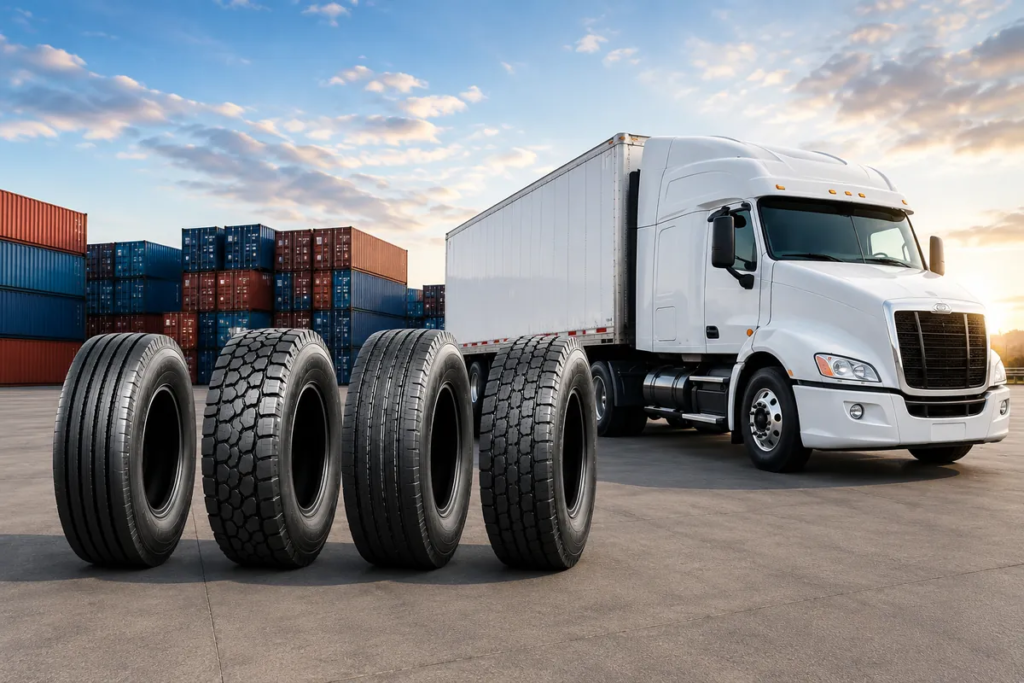
A quality set of 295/75R22.5 16 Ply truck tires can improve safety, reduce downtime, and lower operating costs for semi trucks and commercial fleets.
The best choice depends on:
- Your truck type
- Axle position
- Load requirements
- Driving environment
- Mileage expectations
- Fleet budget
Whether you operate one truck or manage an entire fleet, investing in the correct commercial tire specification is one of the smartest ways to protect your equipment and business.
For customers shopping for 295/75R22.5 16 Ply truck tires, compare tire construction, warranty, tread design, and total cost of ownership—not just the upfront price.