
The Ultimate Guide to Heavy Duty Truck Tires: Choosing for Performance and Longevity
When it comes to heavy-duty trucks, one of the most vital components is the tires. Fleet managers and independent truck owners know that tires aren’t just a simple replacement part; they’re an investment in the overall performance, safety, and cost-efficiency of the truck. Tires are critical to maintaining the quality of your fleet’s operations while ensuring that each truck runs smoothly for as long as possible. In this comprehensive guide, we’ll explore the importance of heavy-duty truck tires, the various types, key buying factors, and best practices for tire maintenance to help you make the best choices for your fleet.
Why Tires Are a Crucial Investment for Heavy Duty Truck Fleets
Heavy-duty truck tires are the only point of contact between your truck and the road. They bear the weight of the load, endure extreme weather conditions, and have to handle long hours on rough highways or construction sites. As such, the importance of choosing the right tires cannot be overstated. Poor-quality or incorrectly selected tires can lead to frequent breakdowns, increased fuel consumption, and even safety hazards.
By selecting high-quality heavy-duty truck tires, you can ensure maximum vehicle uptime, better fuel economy, and most importantly, safer driving conditions for your drivers. In the long run, this translates into a lower total cost of ownership (TCO) for fleet managers and independent truck owners alike.
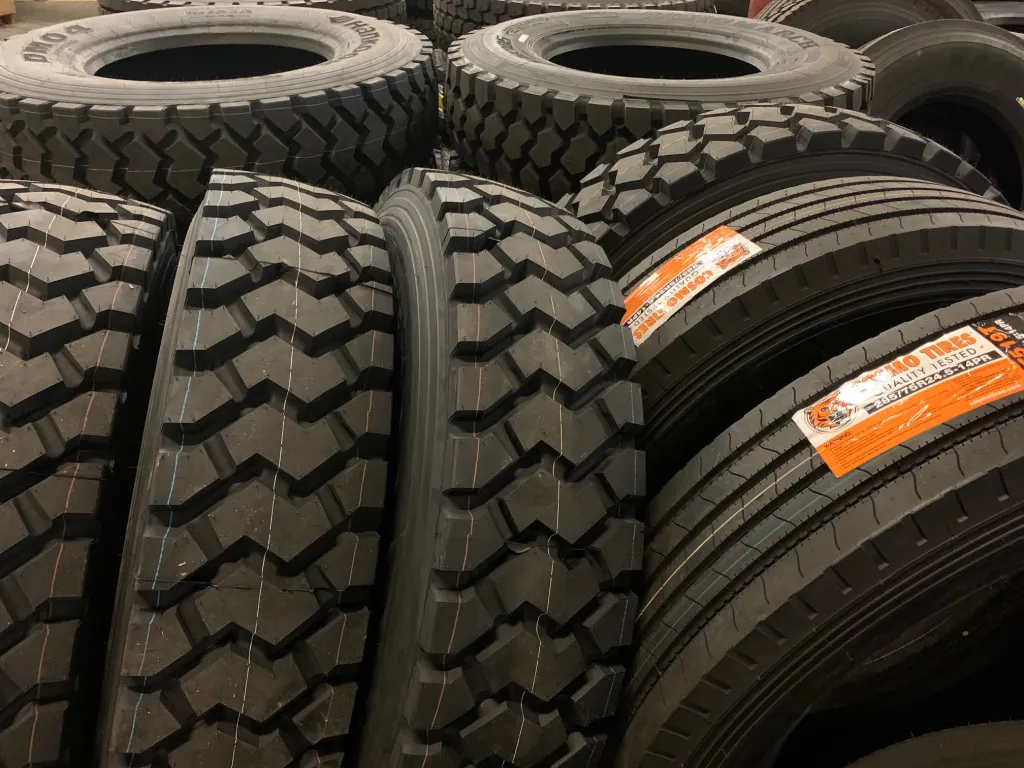
Types of Heavy Duty Truck Tires: Steer vs. Drive vs. Trailer Tires
Not all truck tires are created equal. When shopping for heavy-duty tires, it’s important to understand the differences between the three main types: steer, drive, and trailer tires. Each tire serves a different purpose and plays a crucial role in the overall performance of your fleet.
1. Steer Tires
Steer tires are placed on the front axle of your truck. They are responsible for steering and providing stability when the truck is in motion. Since they bear the weight of the truck’s front end and are exposed to directional forces, steer tires must be highly durable and provide excellent traction. Steer tires are typically designed with a deep tread pattern that helps maintain stability during sharp turns and high-speed maneuvers.
Key Consideration: Look for tires with reinforced sidewalls and robust tread patterns for improved steering control and responsiveness.
2. Drive Tires
Drive tires are mounted on the rear axles and are responsible for transferring the truck’s power to the road. These tires have to endure the most wear because they carry the weight of the truck’s powertrain and handle the majority of the torque. As a result, drive tires tend to have a more aggressive tread pattern designed to enhance traction and durability. They are also built to handle the heat and friction generated by high levels of torque.
Key Consideration: Choose tires with high load capacity, excellent tread depth, and a rugged design to withstand long-haul driving conditions.
3. Trailer Tires
Trailer tires are mounted on the trailer axles. They don’t provide any driving power but are critical for carrying the load. These tires are typically designed for maximum load-carrying capacity, and their tread patterns are optimized for durability and wear resistance over long distances.
Key Consideration: Trailer tires should be chosen based on load-bearing capacity and optimized for wear resistance, ensuring minimal maintenance needs.
Key Factors When Buying Heavy Duty Truck Tires
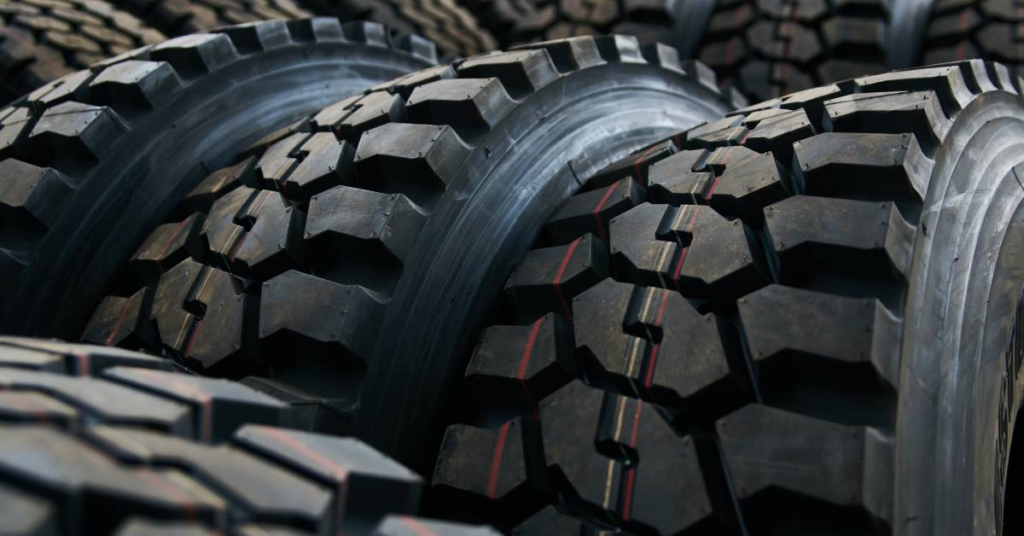
When choosing heavy-duty truck tires, there are several key factors to consider. These include load capacity, tread depth, fuel efficiency, and retreadability. Let’s dive into each of these factors in more detail.
1. Load Capacity
Load capacity refers to the maximum weight a tire can safely carry. This is an important consideration, especially for fleet managers who are hauling large loads. Tires with higher load capacity ratings are essential for trucks that frequently carry heavy or oversized freight. It’s important to ensure that the tires you select match the requirements of your fleet, as overloading tires can lead to premature wear and safety hazards.
Tip: Always check the load index of the tire and make sure it aligns with your truck’s weight requirements.
2. Tread Depth
Tread depth is a crucial factor in determining the lifespan and traction of your tires. Tires with deeper tread are better suited for inclement weather conditions and can handle rough roads more effectively. As tread wears down over time, tires lose traction, which can compromise vehicle control and safety.
Tip: Regularly check tire tread depth, and replace tires when they reach the minimum legal depth, typically around 4/32 of an inch.
3. Fuel Efficiency
Fuel efficiency is one of the most important factors for fleet managers looking to reduce operating costs. Fuel-efficient truck tires are designed to minimize rolling resistance, which can significantly lower fuel consumption over time. While fuel-efficient tires may have a higher upfront cost, the savings on fuel expenses can more than make up for the initial investment.
Tip: Look for tires that are labeled as “fuel-efficient” or “low rolling resistance” to save on fuel costs.
4. Retreadability
Retreadable tires are those that can be refurbished and reused. The process involves adding a new tread to the existing tire casing, which helps extend its lifespan and reduce overall costs. Retreadability is a key consideration for fleet managers who are focused on lowering their total cost of ownership.
Tip: When choosing heavy-duty tires, consider tires that are known for their retreadability to maximize tire value over time.
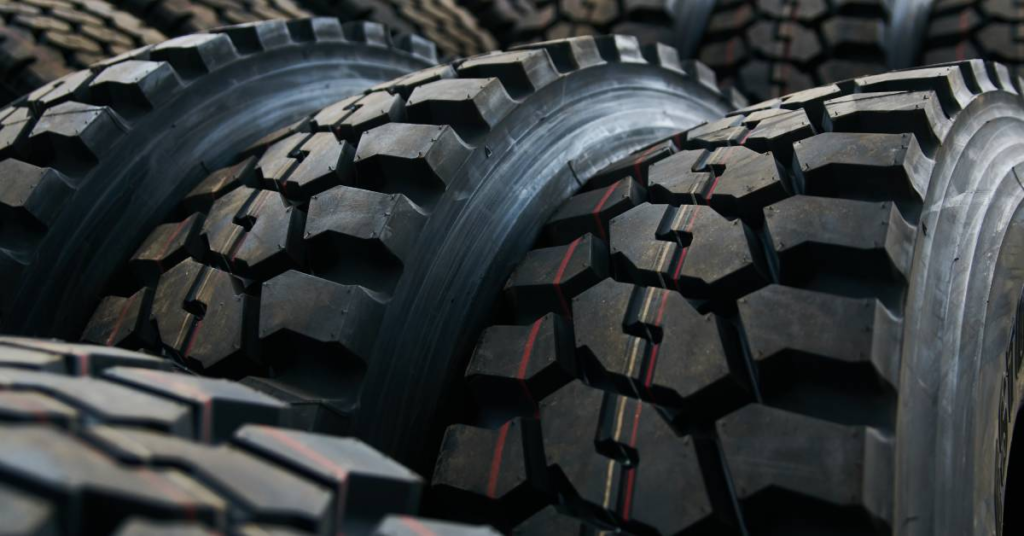
Best Practices for Tire Maintenanc
Proper maintenance of your heavy-duty truck tires is essential for extending their lifespan and optimizing their performance. Below are a few essential tire maintenance best practices:
1. Tire Pressure Monitoring
Maintaining the correct tire pressure is one of the most important aspects of tire maintenance. Underinflated tires can lead to poor fuel economy, uneven wear, and increased risk of blowouts, while overinflated tires can cause a rough ride and reduce traction.
Tip: Use a tire pressure monitoring system (TPMS) or regularly check tire pressure to ensure it’s within the recommended range.
2. Wheel Alignment
Incorrect wheel alignment can cause tires to wear unevenly, leading to premature tire replacement. Aligning the wheels correctly ensures that all tires wear evenly and last longer.
Tip: Schedule regular alignment checks to prevent unnecessary wear and tear on your tires.
3. Tire Rotation
Tire rotation is essential for ensuring even tire wear, especially on steer, drive, and trailer tires. Regular tire rotation helps balance out wear patterns and extends the life of your tires.
Tip: Rotate your tires every 6,000 to 8,000 miles, or as recommended by the manufacturer.
Conclusion: Maximize the Performance and Longevity of Your Heavy Duty Tire
Choosing the right heavy-duty truck tires is a critical decision that directly impacts your fleet’s performance, safety, and costs. By considering key factors like load capacity, tread depth, fuel efficiency, and retreadability, you can make a smart investment that pays off in the long run.
Additionally, following best practices for tire maintenance such as regular pressure checks, proper alignment, and routine tire rotation can help extend the life of your tires and keep your trucks running smoothly.
At Thailand Truck Tires, we offer a wide selection of high-quality, fuel-efficient, and durable heavy-duty tires to meet your fleet’s needs. Browse our inventory today and ensure your trucks are equipped with the best tires for performance, safety, and longevity.