
The Complete Guide to 295/75R22.5 Truck Tires: Why This Size Dominates the US Market and Where to Source It
If you operate a fleet, manage a tire shop, or distribute commercial truck tires anywhere in North America, the 295/75R22.5 is a size you cannot afford to ignore. It is, without exaggeration, the single highest-volume commercial truck tire size sold in the United States . From Freightliner Cascadias to Peterbilt 579s, from dry van trailers to refrigerated units, this tire size keeps America’s freight moving.
Whether you are a fleet operator trying to understand why this size has become the standard, or a wholesale buyer looking to source 295/75R22.5 tires at competitive container pricing, this guide covers everything you need to know. We will break down the specifications, explain why this size became so popular in the USA, discuss why Thailand has emerged as the world’s premier manufacturing hub for these tires, and show you exactly why Thailand Truck Tires is your most reliable partner for wholesale supply.
What Exactly is a 295/75R22.5 Truck Tire?
For those unfamiliar with commercial tire sizing, “295/75R22.5” might look like a random string of numbers. But every digit tells a story about the tire’s dimensions and capabilities.
The 295 represents the tire’s section width in millimeters—the measurement from sidewall to sidewall at its widest point. At 295 millimeters (roughly 11.6 inches), this tire sits squarely in the medium-to-wide category for commercial applications, providing an excellent balance between load capacity and rolling resistance.
The 75 is the aspect ratio, meaning the sidewall height is 75% of the section width. This lower-profile design is crucial: it produces a shorter, stiffer sidewall compared to older sizes like 11R22.5, which reduces flex and heat buildup during highway operation.
The R indicates radial construction—now the universal standard for commercial truck tires due to its superior tread life and fuel efficiency.
Finally, 22.5 is the rim diameter in inches, the standard for modern Class 8 trucks and trailers with tubeless tire systems.
When these numbers are combined, the result is a tire with an overall diameter of approximately 40.3 inches and a weight in the range of 120-130 pounds . This geometry positions the 295/75R22.5 as the ideal replacement for the older 11R22.5, offering nearly identical load capacity with improved fuel economy characteristics.
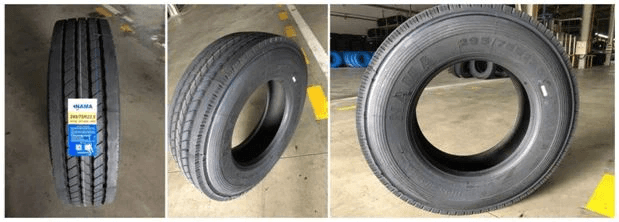
Detailed Specifications of 295/75R22.5 Tires
Understanding the technical specifications of this tire size is essential whether you are spec’ing tires for a fleet or placing a wholesale order.
Load Index and Capacity is perhaps the most critical specification for commercial operations. Most 295/75R22.5 tires carry a load index of 146/143, which translates to a maximum load of 6,610 pounds per tire in single applications and 6,005 pounds in dual configuration . For heavier-duty applications, some manufacturers offer a 149/146 load index rated at 7,160 pounds single and 6,610 pounds dual . This load capacity makes the size suitable for virtually all Class 8 tractor and trailer positions.
Ply Rating for this size is typically 14 or 16 PR, with 16-ply construction being most common in premium long-haul tires . The ply rating affects both load capacity and resistance to punctures and sidewall damage.
Tread Depth varies by application and position. Steer tires typically feature 17-18/32nds of tread, while drive tires often start at 26-30/32nds to provide traction throughout their extended service life . Trailer tires generally fall in the 12-16/32nds range, prioritizing low rolling resistance over maximum traction.
Maximum Inflation Pressure is typically 110-125 PSI, depending on load range and specific tire design . Running correct inflation pressure is non-negotiable for achieving rated load capacity and maximizing casing life.
Speed Rating for most 295/75R22.5 tires is L, indicating a maximum sustained speed of 75 mph (120 kph) . This aligns with typical highway speed limits for commercial vehicles across North America.
Overall Diameter hovers around 40 inches, with slight variations between manufacturers. This standardization is important for fleets mixing brands across different axle positions .
Approved Rim Width for this size is 8.25 inches as the standard, with acceptable range from 8.25 to 9.00 inches .
Weight varies from approximately 110 to 125 pounds depending on tread depth and construction, with steer tires generally being lighter than deep-tread drive tires .
Available Tread Patterns for Every Application
The 295/75R22.5 size is available in three primary tread pattern categories, each engineered for specific axle positions and duty cycles.
Steer Position Patterns
Steer tires prioritize even wear, precise handling, and low rolling resistance. They typically feature a rib-type design with four or five continuous ribs and straight circumferential grooves. This pattern provides stable highway tracking and resists the irregular wear that plagued older tire designs.
Modern steer tires in this size often incorporate advanced features like differential grooves to combat irregular wear, stone ejectors to protect the casing, and low-rolling-resistance compounds to improve fuel economy . Many are SmartWay verified, meeting EPA standards for reduced fuel consumption and greenhouse gas emissions .
Typical steer tire tread depths range from 17 to 18/32nds, though some fuel-focused models use slightly shallower tread to minimize weight and rolling resistance .
Drive Position Patterns
Drive tires require an entirely different design philosophy. They must transmit torque to the road surface while resisting the irregular wear patterns that aggressive tread blocks can develop. Most 295/75R22.5 drive tires use a block or lug pattern with deep, open grooves for traction in wet and loose conditions.
Deep tread depths of 26 to 30/32nds are standard, providing thousands of miles of usable tread life before retreading. Modern drive tire designs incorporate features like closed shoulder blocks for stability, multi-pitch groove sequences for noise reduction, and sipes for enhanced wet traction .
Trailer Position Patterns
Trailer tires are the unsung heroes of fleet fuel economy. In a free-rolling position, they experience different wear dynamics than drive or steer tires. Trailer patterns typically use shallow rib designs with 12-16/32nds of tread to minimize rolling resistance and weight.
The key performance requirements for trailer tires are even wear across the tread face, resistance to sidewall damage from curb strikes, and maximum retreadability. Fuel-efficient trailer tires are essential for fleets pursuing SmartWay compliance and reduced operating costs.
All-Position Patterns
Some manufacturers offer all-position 295/75R22.5 tires designed to work acceptably in any wheel position . These tires sacrifice some specialized performance for inventory flexibility—useful for smaller fleets or operations with unpredictable tire rotation needs.
Why 295/75R22.5 Dominates the US Truck Tire Market
The dominance of this tire size in North America is not accidental. It reflects decades of engineering evolution and fleet economics.
The 11R22.5 Replacement
The 295/75R22.5 was introduced as a fuel-economy upgrade over the legacy 11R22.5 size . While both sizes have nearly identical load capacity and overall diameter, the 295/75R22.5’s lower aspect ratio produces a shorter, stiffer sidewall that reduces rolling resistance by 1-3% at highway speeds . For a fleet running 100 trucks at 100,000 miles per year, even a 2% fuel savings translates to tens of thousands of dollars annually.
OE Fitment Standard
Virtually every modern Class 8 truck sold in North America ships from the factory with 295/75R22.5 tires. This includes the Freightliner Cascadia, Peterbilt 579, Kenworth T680, Volvo VNL, Mack Anthem, and International LT . When these trucks reach the end of their original tires’ service life, they almost universally get replacement 295/75R22.5 tires.
Trailer Dominance
The 295/75R22.5 is also the dominant trailer tire size on 53-foot dry van and refrigerated trailers—the workhorses of American logistics . Since trailers outnumber tractors in most fleets, this further reinforces the size’s volume dominance.
Availability and Retreadability
Because so many trucks and trailers use this size, replacement availability is unmatched. Any tire shop in America stocks or can quickly source 295/75R22.5 tires in multiple brands and patterns. The casings are also excellent candidates for retreading, with most premium tires designed for 1-2 retread cycles . This retread ecosystem dramatically reduces fleets’ total cost per mile.
The Comparison with Alternatives
Understanding why 295/75R22.5 won requires comparing it to its competitors.
11R22.5 offers slightly more sidewall protection and remains popular for vocational and on/off-road applications where puncture resistance matters more than fuel economy. However, its medium rolling resistance and legacy status make it less attractive for pure highway operations .
275/80R22.5 delivers 1% better fuel economy than 295/75R22.5 and is growing in popularity for fuel-optimized long-haul fleets. But its slightly lower load capacity and less universal availability keep it from displacing the 295/75R22.5 as the volume leader .
For the vast majority of dry van, reefer, and regional haul operations, the 295/75R22.5 remains the optimal balance of fuel economy, load capacity, replacement availability, and retreadability.
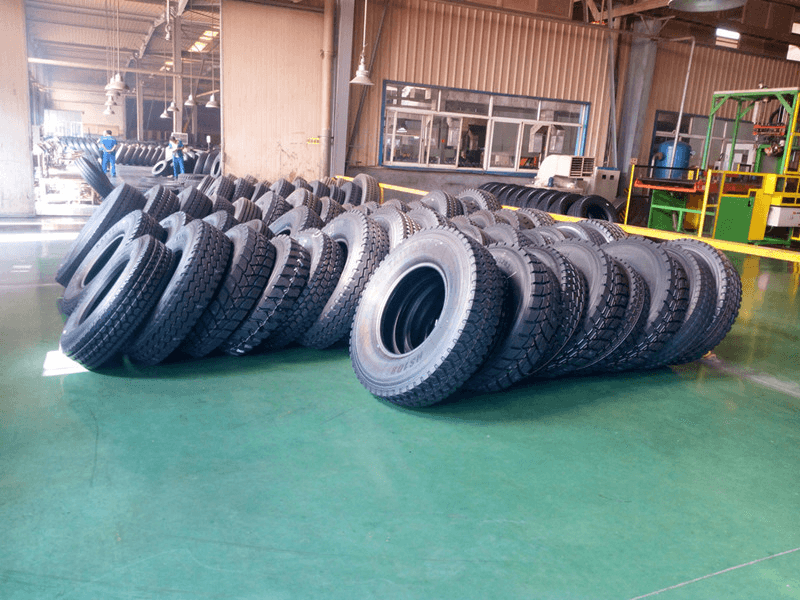
Why Thailand is the World’s Best Source for 295/75R22.5 Tires
For wholesale buyers, the question is not just what to buy, but where to buy it. Thailand has emerged as the world’s premier source for high-quality truck tires, and for good reason.
World’s Second Largest Tire Production Base
Thailand is the world’s second-largest tire production and export base, after China . The country’s tire industry has attracted massive investment from every major global manufacturer. Michelin, Bridgestone, Continental, Goodyear, Sumitomo, Yokohama, and Pirelli all operate production facilities in Thailand . Chinese manufacturers including Zhongshe Rubber, Prinx Chengshan, Linglong Tire, and Century Tire have also established Thai production to serve export markets .
This concentration of manufacturing expertise means Thai factories produce tires to the highest international standards using proven processes and quality systems.
Natural Rubber Advantage
Thailand is the world’s largest producer of natural rubber . This is not a trivial advantage. Natural rubber is the single most important raw material in truck tire compounds, and having it produced domestically means:
- Lower raw material costs passed through to buyers
- Consistent supply without reliance on imported rubber
- Fresher compound with better processing characteristics
The proximity of rubber plantations to tire factories creates a genuine cost advantage that manufacturers in Europe or North America cannot match.
World-Class Quality Certifications
Thai tire factories operate under the same quality systems used by automotive manufacturers worldwide: ISO 9001, IATF/TS 16949, and ISO 14001 . These certifications are not marketing badges—they represent audited, documented quality management systems that ensure consistent output.
Major global brands manufacture in Thailand precisely because the quality standards meet their home-market requirements. When you buy a 295/75R22.5 tire made in Thailand, you are buying a product built to the same specifications as premium European or Japanese tires.
Strategic Export Logistics
Thailand’s Laem Chabang deep-water port offers direct shipping services to Africa, the Middle East, South America, Australia, and North America . Container consolidation is straightforward, and transit times are predictable.
For wholesale buyers, this means:
- FCL (Full Container Load) shipments with optimal freight economics
- LCL (Less than Container Load) options for smaller trial orders
- RoRo (Roll-on/Roll-off) for mixed cargo or specialized requirements
The Cost-Quality Equation
The combination of local rubber supply, modern factories, and competitive labor costs means Thai-made truck tires typically cost 15-30% less than equivalent tires manufactured in Europe or North America—without sacrificing quality .
For distributors and fleet operators, this is the fundamental value proposition: premium-quality casings at container pricing that improves margins or reduces operating costs.
Why Thailand Truck Tires is Your Top Supplier for 295/75R22.5
With so many options for sourcing truck tires from Thailand, why should you choose Thailand Truck Tires (https://thailandtrucktires.com)?
Specialization in Truck & Bus Radial Tires
Truck tires are not a sideline for us—they are our core specialization . We understand the technical requirements of different axle positions, the importance of casing quality for retreading, and the logistics of container shipping to markets around the world.
Our product range includes the exact specifications American and international buyers need: 295/75R22.5, 11R22.5, 12R22.5, 315/80R22.5, 385/65R22.5, and more . We stock steer, drive, and trailer patterns from manufacturers known for quality and consistency.
Brand Flexibility Without Compromise
We are brand-agnostic by design . Different customers have different requirements:
- Fleets that prioritize maximum fuel economy and casing life may prefer premium brands like Michelin, Bridgestone, or Continental.
- Cost-conscious operations running mixed duty cycles may find excellent value in Double Coin, Triangle, Kumho, or Alliance tires .
- Distributors building inventory for diverse customer bases can mix brands within a single container.
Our team helps you match the right tire to your specific application and budget, rather than pushing a single brand.
ISO-Certified Manufacturing Partners
All tires we supply are produced in ISO-certified factories meeting ISO 9001, TS 16949, and ISO 14001 standards . We publish our certifications and can provide documentation for any order. When you buy from Thailand Truck Tires, you have verifiable assurance of quality management throughout the production process.
Transparent Specifications and Honest Quoting
We quote FOB or CIF with clear documentation of:
- Production date codes (DOT week/year)
- Tread depth in millimeters
- Load index and speed symbol
- Casing retread rating
We confirm DOT codes before loading, so you receive fresh stock rather than tires that have been sitting in a warehouse for multiple seasons .
Mixed Container Flexibility
For distributors testing new patterns or brands, we accommodate mixed-brand and mixed-size containers . This reduces inventory risk and lets you validate market demand before committing to full-container volumes of a single SKU.
Warranty and After-Sales Support
All tires carry a four-year limited warranty from the Bill of Lading date or manufacture date in the serial number, with pro-rata adjustment based on remaining tread depth . Our technical team also provides support for tire inspection, maintenance best practices, and claims processing.
Global Shipping Expertise
We ship to over 100 countries and work with trusted international freight partners to ensure smooth delivery . Whether you need FCL, LCL, or RoRo shipping, our export team coordinates logistics from our factory partners in Thailand to your destination port or warehouse.
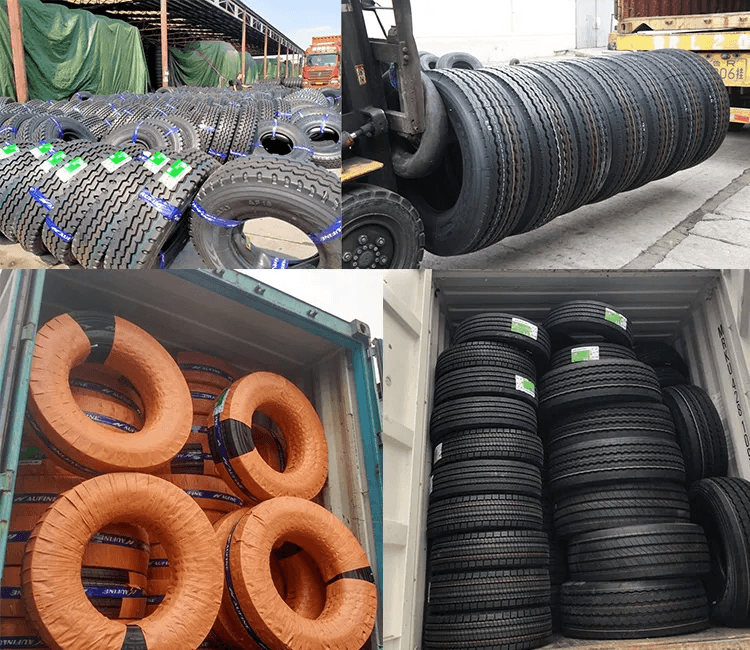
Conclusion: Partner with Thailand Truck Tires for Your 295/75R22.5 Needs
The 295/75R22.5 is not just another tire size—it is the standard for American commercial trucking. Its combination of load capacity, fuel efficiency, and universal availability makes it the default choice for fleets running Class 8 tractors and trailers across the continent.
And when it comes to sourcing this critical tire size at competitive wholesale prices, Thailand Truck Tires offers the perfect combination of quality, value, and reliability. Our ISO-certified manufacturing partners, direct-from-Thailand pricing, and export expertise make us the ideal partner for distributors, fleet operators, and tire wholesalers worldwide.
Ready to get the best deal on 295/75R22.5 truck tires?
- Request a wholesale quote: Send us your required quantity, preferred brands (if any), and destination port. We will respond with pricing, availability, and realistic shipping dates .
- Visit our website: https://thailandtrucktires.com to browse our full range of TBR tires and request samples.
- Contact our export team: We speak your language—English, and we understand the requirements of international buyers.
Whether you need a single container of steer tires for your fleet or multiple containers per month for your distribution business, Thailand Truck Tires is ready to be your long-term supply partner. Get in touch today and discover why buyers around the world trust us for their 295/75R22.5 truck tire needs.